UX That Sells: How Proper Design Boosts Your E-commerce Revenue
In today’s online environment, UX has long been about more than just pretty graphics. A functionally designed website directly impacts conversions, builds trust, and increases sales. Research confirms that up to 74% of companies view UX as a key factor in purchasing decisions.
Despite this, many e-shops make a fundamental mistake: they ignore the data generated by their own customers.
Instead of analyzing the actual user journey through the website, operators often rely on intuition. In doing so, they overlook key indicators:
Where customers hesitate: Places where the buying process becomes unnecessarily complicated.
- Drop-off points: Pages that feel confusing and cause a loss of interest.
- Untapped potential: Features that customers are looking for, but the site does not offer effectively.
Without regular analysis and subsequent optimization based on real user behavior, UX remains merely a theoretical concept rather than a tool for business growth.
OpiTip: You don't hold the key to a better website - your customers do. The real answers to what isn't working on your e-shop aren't hidden in assumptions, but in the data of their behavior.
Why UX is More Than Just Good Design
Baymard reports that approximately half of all customers use search as their primary navigation path—and this is precisely where they often encounter the biggest issues. If the search function doesn't work well (e.g., it fails to capture the meaning of combined queries like "warm winter jacket"), the user will typically leave the site.
OpiTip: Support various types of queries and offer relevant results even if the customer doesn't use the exact phrase. Studies show that up to 55% of websites fail to cover all common search queries, increasing the risk that a customer won't find what they need. In practice, this means one thing: customer frustration and a lost order before they even start shopping.
Up to 74% of companies claim that UX directly affects sales, yet many still neglect this area, particularly in the search and filter sections.
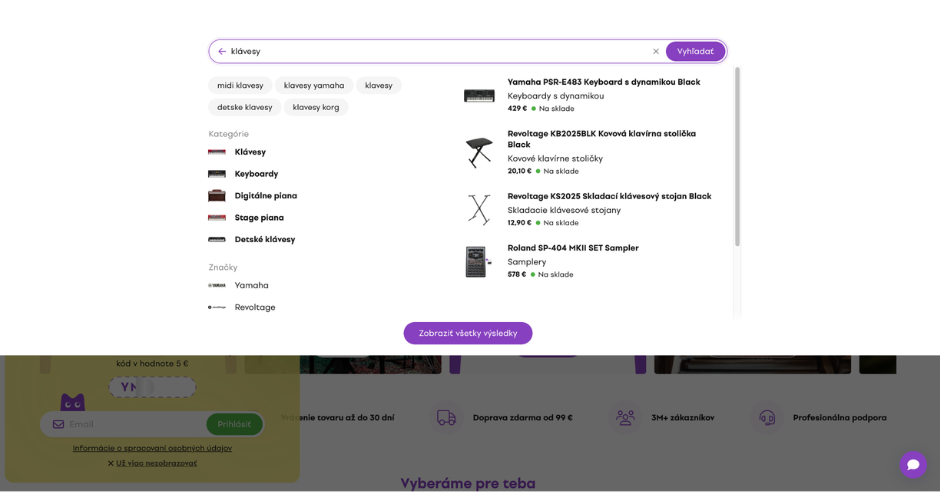
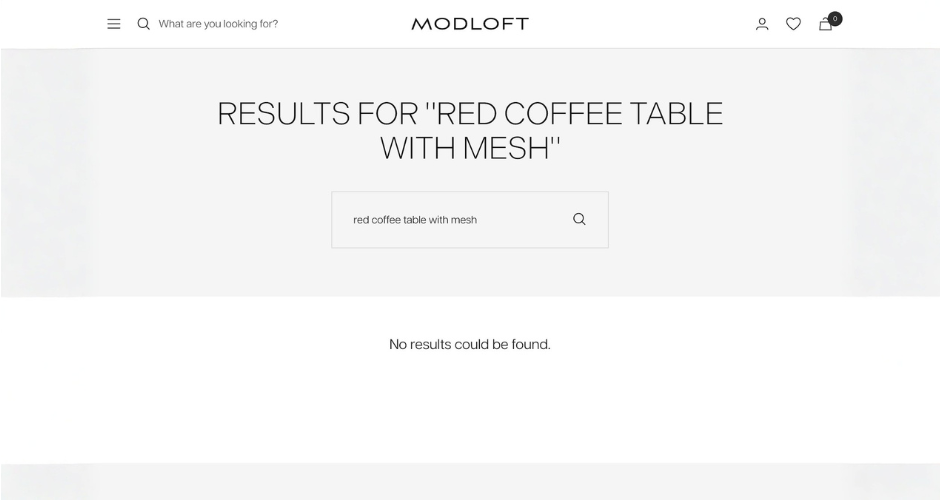
Optimize the "No Results" Page
If a search yields no results, the page should direct the visitor back to relevant products. It is recommended to enrich such a page with:
Related product categories
- Alternative search suggestions
- Recommended products
- Customer support contact information
This way, you keep the visitor on the site and minimize the risk of cart abandonment.
Unit Price Display
For products available in different sizes or packages, it is crucial to state the unit price (e.g., per liter, 100g, or piece). Users perceive transparent pricing as beneficial and find it easier to make a purchasing decision. Additionally, it is important that discounts and promotions are applied automatically - if a user has to find or enter a promo code themselves, they often fail to do so or ignore it and leave.
Automatic Application of Discounts and Promo Codes
Many customers fail to notice or do not know how to correctly apply a promo code, which often leads to cart abandonment. Sites that automatically apply discounts and display the final price reduce friction in the purchasing process and increase the likelihood of order completion.
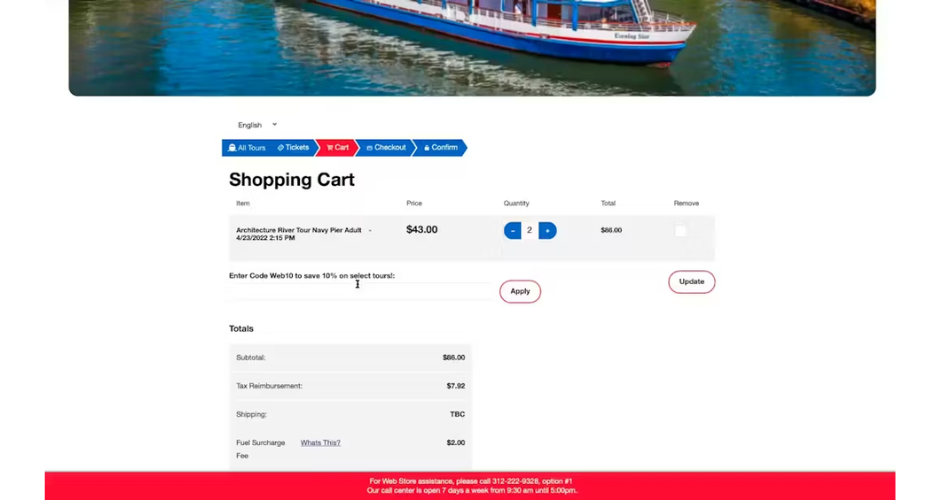
Transparency of Shipping and Returns
Information regarding shipping, delivery costs, and return policies is one of the most common reasons for abandoned carts if it is not clear and easily accessible. We recommend making Free Shipping visible directly next to the "Buy" button. Return and shipping policies should be easily accessible, for example, in the website footer. Transparency builds trust and reduces customer uncertainty.
Customer Experience and Authentic Reviews
Users often make decisions based on the experiences of others. Adding customer photos to reviews, product ratings, and integrating social media visuals increases trust and motivates purchases. Customers naturally trust people more than standalone product photos, so these elements can significantly influence their decision.
Simplified Checkout
The checkout is the most fragile part of the customer journey. Even minor friction here can lead to cart abandonment. A flawed or complicated checkout is one of the primary causes of lost sales. We recommend:
- Offering a guest checkout option without mandatory registration.
- Minimizing the number of steps and required fields.
- Providing multiple payment options, including PayPal, Apple Pay, or Google Pay.
Tests show that up to 10% of users will abandon their cart if their preferred payment method is not offered.
Continuous UX Improvement Based on Data
UX should not be based solely on intuitive decisions. A/B testing, heatmaps, and purchase funnel analysis allow you to identify obstacles and continuously optimize the customer experience.
UX Affects SEO and Customer Loyalty
Loading speed, mobile usability, and low bounce rates are factors that influence search engine visibility. Therefore, good UX not only sells but also drives organic traffic and fosters long-term customer satisfaction.
Seasonal Sales and UX
During special sales periods, such as Black Friday or Cyber Monday, common UX flaws are magnified. Baymard recommends ensuring a clear, fast, and intuitive shopping environment.
Why Do These UX Principles Work?
Baymard emphasizes that these principles minimize uncertainty in the purchasing process, leading to:
- Faster product discovery
- Better understanding of prices and discounts
- Higher brand trust
- Lower cart abandonment rates
These factors create an environment where users feel comfortable making a purchase decision, overall increasing the probability of conversion.

Properly designed UX is not just an aesthetic matter. It is a strategic tool that directly affects sales, customer trust, and user satisfaction. Investing in clear, intuitive, and user-friendly navigation, visuals, transparent pricing, and a simple checkout always pays off.
At Opinest, we support e-shops on their journey toward sustainable growth. We help our clients optimize UX, analyze user behavior, and implement solutions that increase conversions and customer loyalty. Thanks to a comprehensive approach - from OpiStarter audits and workshops to strategic consulting and execution in marketing and technology - we ensure that every step in the customer journey delivers results.
We will help you turn visitors into satisfied customers and your UX into a true sales engine.