Major Changes in Customs - What to Expect?
In 2026, international trade is entering a new phase, bringing significant changes to customs duties and import fees. Companies and e-shops today face higher costs when importing from countries such as China, Canada, or Mexico, which significantly affects product prices and profitability. To avoid these costs, businesses are turning to various strategies - from requesting exemptions and deferrals, through “tariff engineering” (modifying products to fall under less burdensome customs codes), to relocating production to countries not affected by the new regulations.
E-shops face several key challenges: rising import costs, complex administration related to customs regulations, and pressure to maintain competitive prices for customers. Flexibility and the ability to quickly adapt to new rules are becoming decisive advantages in the modern market.
Customs is a crucial topic for many e-shops, affecting not only their operations but also customer satisfaction, pricing, and overall brand credibility.
Goods from countries outside the EU must go through customs procedures. Incorrectly completed documents or missing invoices can delay the entire delivery process and also damage the e-shop’s reputation. When selling outside the EU, it is essential to know the target country’s customs rules and correctly label goods (HS code, value, origin, documents). Otherwise, errors, fines, and delays may occur.
OpiTip: In addition to production costs, margins, and other product-related expenses, account for customs fees and VAT, which will increase the final order price. Be as transparent as possible with customers regarding these costs. If customers are not informed, they may be unpleasantly surprised upon delivery, often leading to cancellations, returns, and loss of trust.
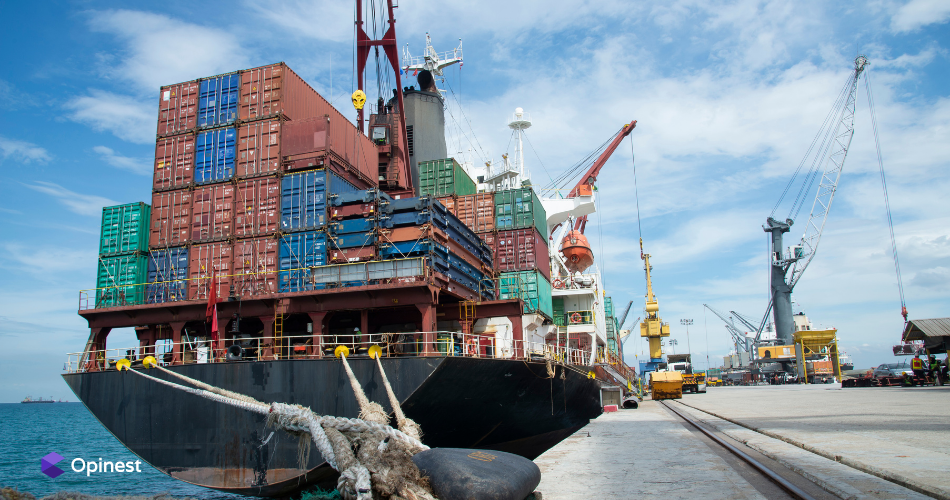
What is Customs and How Does It Work?
Customs duties are collected by the state when importing or exporting goods. The term “customs tariff” is often used within customs, referring to the official list of goods that contains codes for each item (HS codes – Harmonized System), a description of the goods, and the duty rate for import or export.
How Companies Navigate Customs: Exemptions, Design, and Production Relocation
In 2026, international trade is changing again. New import duties from China, Canada, and Mexico have increased costs for companies but also created space for strategies to mitigate these costs.
Exemptions as a Lifeline
Not all customs duties are “fixed.” Companies often lobby for exemptions or deferrals to gain time to adjust their production and business processes. For example, automakers achieved a monthly deferral of duties, showing that even large industries can negotiate temporary relief effectively.
Tariff Engineering - When Design Becomes a Tool
Some companies engage in “tariff engineering,” modifying products to fall under different, less burdensome customs codes. A creative example is modifying Converse sneakers by adding furry material, which can change their classification and reduce customs burden.
Production Relocation - When It’s the Way Out
Another option is moving production to countries not affected by new duties. While this requires investment and supply chain reorganization, it allows many companies to keep prices competitive and minimize the impact of international regulations.
Flexibility is Key
Changes in 2026 show that companies that are flexible and able to adapt have a higher chance of maintaining profitability. A combination of exemptions, product engineering, and strategic production relocation is becoming a common tool in modern business.
Ultimately, one thing is clear: international trade is constantly evolving, and those who can adapt gain a competitive edge.

What Changes Are Expected?
The European Union (EU) has decided to end the duty exemption for small parcels (up to €150), which often come from China. Customs on these parcels is expected to be implemented “as early as 2026.”
What was previously relatively “cheap import” (small-value purchases from China through e-shops) will lose its advantage - meaning stricter customs and tax burdens. In practice, many small shipments (consumer goods, electronics, clothing, etc.) will become more expensive for importers - not only due to customs but also due to administration and VAT.
Additionally, there is a proposal to temporarily introduce a flat-rate customs or handling fee per shipment, instead of the original exemption, until a new system and exact rates are established.
These points represent variables that need to be considered when planning sourcing, pricing, and logistics strategies for e-shops.
What Is Still Uncertain?
The exact amount of customs or fees is not yet known. Currently, a flat fee of approximately €2 for small parcels is being discussed, but it is not confirmed whether this is the final amount or if it will apply to all types of goods.
It is unclear how exemptions or discounts for professional importers or companies will be implemented. It is not yet known whether the flat rate will apply only to B2C shipments or also to B2B and larger orders.
For industrial, heavy, or “high-value” products - such as machinery, components, or large shipments - the system will not change. Customs duties have been calculated according to standard rates and will continue to be. These changes primarily concern small parcels and low-value goods.
The full integration of the new system via the Customs Data Hub has been postponed to 2028. This means that the 2026-2028 period will be transitional and may bring uncertainty in procedures, administration, and other costs.
What to Expect and How to Prepare for 2026 - 2028
How could customs and import regulations for imports from China evolve?
Optimistic Scenario - Stabilization with Slight Tightening
From 2026, a flat customs or handling fee will be introduced, e.g., the proposed €2 per parcel, or a low percentage duty. The exemption for shipments up to €150 will be removed, but rates will remain relatively favorable and the regulation will not be draconian.
In 2028, the planned reform with the unified EU Customs Data Hub system will make customs processes more standardized and predictable.
Practical implications for your e-shop: The full advantage of “cheap parcels” disappears, but imports remain relatively acceptable. Margins and prices need adjustment, but sourcing does not require drastic changes. This scenario makes sense if the EU prioritizes market stability and maintaining imports for consumers.
Probable Scenario - Stricter Regime and Higher Costs
The flat fee will be higher, e.g., 2 - 5 € or a fixed percentage, or rates may vary by product type. Customs inspections will be more frequent, administrative burden will increase, and quality or compliance checks may be introduced.
From 2028, the centralized Customs Data Hub system will improve compliance but also limit “gray areas” and under-declaration opportunities.
Practical implications for your e-shop: Rising costs for small goods, shrinking margins, and reduced viability of dropshipping or direct B2C imports. If sourcing is not adjusted, competitiveness may suffer. This scenario is likely if the EU and member states push for protecting domestic producers and fair competition.
Pessimistic Scenario - Maximum Tightening and Major Sourcing Changes
The flat fee or customs duty may be high, combining percentage duties, handling, and compliance/standards, dramatically increasing costs for small parcels. Import categories will be closely checked according to HS codes, origin, safety, and environmental standards.
Practical implications for your e-shop: Direct import models, such as dropshipping or small parcels, may become unprofitable. Sourcing will need to be relocated, suppliers outside China sought, or goods stored within the EU. Fixed costs, administration, and compliance will increase, reducing flexibility and scalability. This scenario is likely if the EU adopts strict measures to protect industry and limit ultra-cheap imports.

2026 Plan - Recommended Strategy for E-Shops with Imports
Our Check-List
If you operate an e-shop, importing goods from abroad (especially China) requires increased attention for several reasons. The most important areas to monitor are:
1. Monitoring Legislation and Customs Changes
- Regularly check official information on customs duties and VAT for small parcels (e.g., Slovak/European customs portals).
- Track planned dates - e.g., the introduction of new rules in 2026.
- Prepare scenarios for different rates and regimes to allow flexible business response.
2. Product Segment Analysis
- Identify products classified as “small parcels” or low-value consumer goods.
- Calculate how increased costs (duties + VAT + customs processing) will impact customer prices.
- Consider moving some products to local sourcing.
3. Administration and Cash-Flow
- Verify customs clearance process: internal team vs. external customs broker.
- Plan cash-flow to cover duties and VAT upfront or upon import.
- Consider potential delays in delivery due to customs processing.
4. Alternative Suppliers and Regions
- Explore suppliers outside China - other Asian countries, EU/region.
- Compare prices, logistics, and legislative risk.
- Diversify supply to avoid dependency on a single market.
5. Business Model Evaluation
- Reassess dropshipping or B2C models dependent on cheap small parcels.
- Estimate the impact of increased costs on margins and competitiveness.
- Consider pricing strategies or premium models (e.g., fast local delivery).
6. Customer Communication
- Prepare transparent communication about possible delays or fees.
- Consider higher shipping rates if customs fees increase.
- Inform customers about product origin and potential customs impacts.
2026 will bring more challenges to e-shops than ever before. E-shops that can respond flexibly, optimize products, plan logistics, and communicate transparently with customers will gain a clear competitive advantage. The right customs and fees strategy does not have to be complicated – it only needs careful planning and use of available tools.
OpiTip: Customs legislation and rules are constantly changing, so we recommend using the reliable and up-to-date TARIC database, which contains accurate information on customs rates and requirements for various types of goods.
As consultants with many years of experience in expansion, do not hesitate to contact us - we are happy to help move your project forward.